Beach in Bali — retreat destination

Good Retreat Guide

Retreats in
Bali

Sacred temples, jungle rivers, rice terraces and a healing culture that predates modern wellness by centuries — Bali remains the world's most complete retreat destination

Why retreat in Bali

The world's retreat island

Bali has a claim to being the most concentrated retreat destination on earth. The Balinese culture of Tri Hita Karana — harmony between people, nature and the divine — provides a philosophical foundation for wellness that feels genuinely distinct from any resort programme you might find elsewhere.

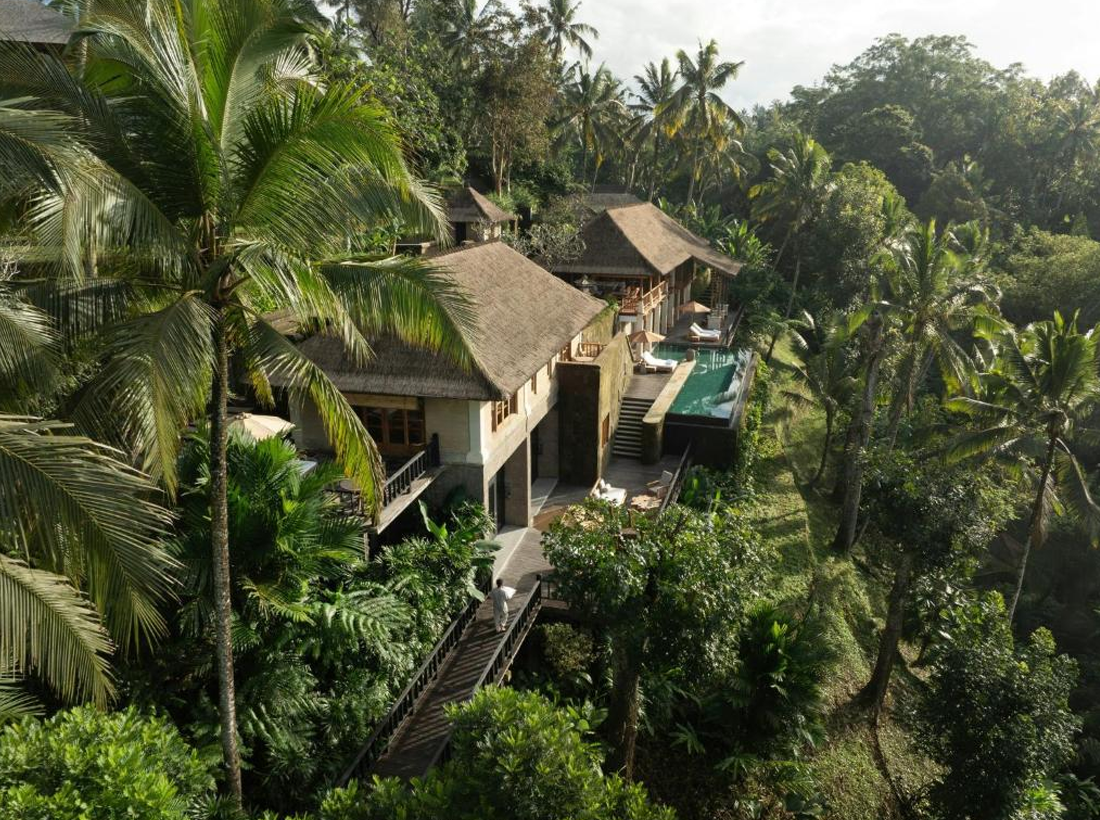
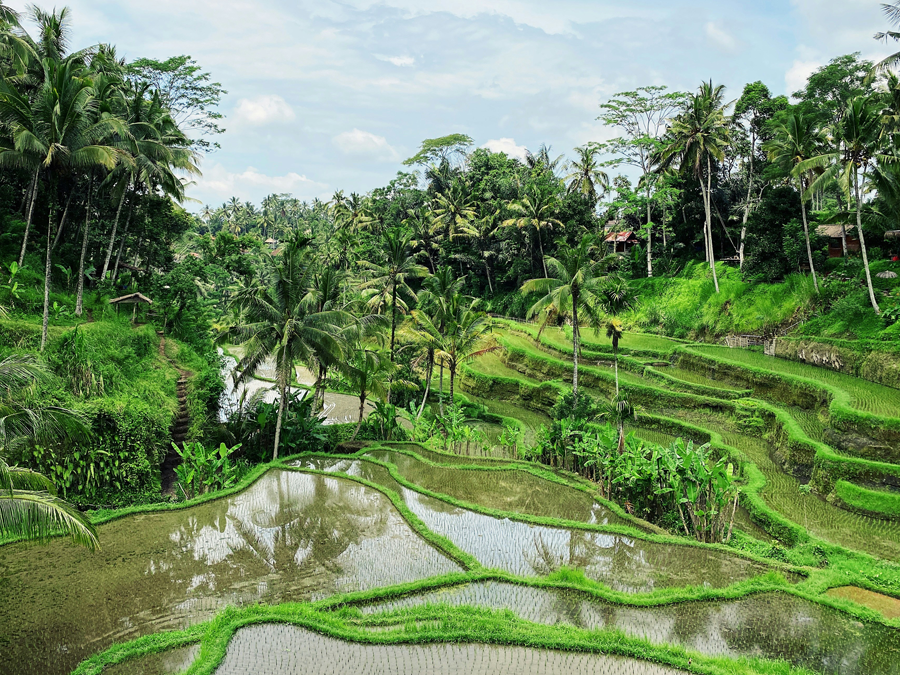
What sets Bali apart from other Asian wellness destinations is the density and diversity of what is available. Ubud in the central highlands is the spiritual heart — surrounded by rice terraces, river gorges and jungle, it is home to some of the world's most celebrated retreat centres, yoga schools and healing practitioners. The southern coast offers a different kind of experience: Seminyak and Canggu for surf-and-yoga lifestyles, Uluwatu for clifftop luxury resorts with ocean views, Nusa Dua for polished five-star wellness hotels. Between Ubud and the coast, you can find virtually every style of retreat — from a weekend yoga immersion in a bamboo shala to a three-week Ayurvedic treatment programme or a silent meditation retreat in a traditional compound.

5 Featured retreats
5 Retreat regions
May–Oct Dry season

All Bali retreats

Hand-picked escapes

Explore by region

Bali retreat regions

Explore by retreat type

What are you looking for?

The Good Retreat Guide to Bali

When to go & what to expect

Bali's dry season runs from approximately May through to October, with June, July and August the most reliably dry and the most popular months. The weather during this period is warm rather than hot, with lower humidity and mostly clear skies — ideal for outdoor yoga, hiking through the rice terraces and the early morning walks that make a Bali retreat feel qualitatively different from staying in a hotel. The more popular retreat centres and wellness resorts book up well in advance during peak season; book at least three to four months ahead for July and August.

September and October are arguably the best months to visit for a retreat. The dry season is still broadly in effect, the summer crowds have thinned, and the light — particularly in Ubud — takes on a golden quality that photographers return for year after year. November marks the beginning of the wet season, when daily rain becomes common in extended afternoon and evening downpours. The rain is warm and rarely lasts all day, and the landscape becomes intensely green. Many retreat-goers prefer this period — it is quieter, cheaper, and the rain creates a natural rhythm to the day that reinforces the slowness a retreat requires.

December, January and February are the wettest months. Some smaller retreat centres reduce capacity or close entirely, though Ubud in the rain has its own atmosphere and prices are at their lowest. March and April are transitional — improving weather, good prices and a gentler pace than high season.

Best time to visit

J F M A M J J A S O N D

Peak   Good   Quieter

Price guide

Yoga retreat (per week)From $800
Boutique wellness resortFrom $200 / night
Luxury retreat estateFrom $500 / night
Wellness programme (7 nights)From $3,500

Common questions

Bali retreat FAQs

Where in Bali is best for a retreat?

It depends on what you are looking for. Ubud is the spiritual and wellness heartland of Bali — if you want a yoga immersion, a healing arts experience, an Ayurvedic programme or the most culturally authentic retreat environment, Ubud is the first choice. The jungle setting, the proximity to temples and rice terraces, and the density of experienced practitioners make it unlike anywhere else on the island. For a beach and surf lifestyle alongside yoga and wellness, Canggu is the answer — more casual, more social, with a strong community of practitioners. Uluwatu suits those who want luxury resort facilities with dramatic clifftop views and ocean swimming. Seminyak and Nusa Dua have the most polished five-star infrastructure if spa facilities and service are the priority.

What is the best time of year to visit Bali for a retreat?

The dry season from May to October is the most reliably good time to visit. June through October offer the best weather — warm, lower humidity, mostly clear. September and October are particularly good for those wanting to avoid the peak crowds of high summer while still enjoying excellent conditions. The wet season from November to April brings daily rain, lower prices and a quieter atmosphere — many experienced retreat-goers choose this period deliberately. December to February are the wettest months; March and April see improving conditions.

How do I get to Bali from the UK?

All international flights arrive at Ngurah Rai International Airport (DPS) in Denpasar, South Bali. There are no direct flights from the UK — the most common routes connect through Singapore (Changi), Kuala Lumpur, Hong Kong or Dubai, with total journey times of around 17 to 22 hours. Singapore Airlines, Qatar Airways, Etihad and Malaysia Airlines all operate well-reviewed connecting services. From the airport, Ubud is approximately 90 minutes by private car, while Seminyak, Canggu and Nusa Dua are all within 30 to 45 minutes.

Are Bali retreats suitable for beginners?

Yes — Bali is one of the best places in the world for a first retreat experience. The culture of welcome, the low cost of living, the extraordinary density of options at every price point, and the non-judgmental atmosphere of most Ubud and Canggu retreat centres make it accessible for those coming to yoga, meditation or wellness retreats for the first time. Many retreat centres in Ubud specifically cater to beginners and offer introductory programmes designed around people with no prior experience.

Is Bali expensive for a retreat?

Bali offers a wider price range than almost any other retreat destination. At the budget end, a week-long yoga retreat in Ubud with accommodation, meals and daily classes can cost as little as $600 to $900 per person all-inclusive — exceptional value by European or American standards. At the other end, a programme at COMO Shambhala Estate or a villa at Alila Uluwatu costs $500 to $1,000 per night and above. The mid-range — boutique retreat centres with good food, comfortable private rooms and twice-daily yoga — sits at roughly $1,500 to $3,000 for a week, which represents very good value for what is included.

What is Balinese healing and can I experience it on a retreat?

Balinese healing is a traditional spiritual and medicinal practice rooted in Hindu-Balinese culture, passed down through generations of healers known as Balian. A Balian may work with massage, herbal remedies, prayer, ritual and divination to address physical, emotional and spiritual imbalances. The practice was brought to wider Western attention by Elizabeth Gilbert's book Eat Pray Love, set partly in Ubud. Several retreat centres — including Fivelements and COMO Shambhala — incorporate elements of traditional Balinese healing within their programmes. Independent Balian consultations can also be arranged through most Ubud retreat centres, typically as a half-day excursion. Approach these with genuine respect and curiosity; it is a living spiritual tradition.